![[Valid RSS]](valid-rss-rogers.png "Validate my RSS feed")
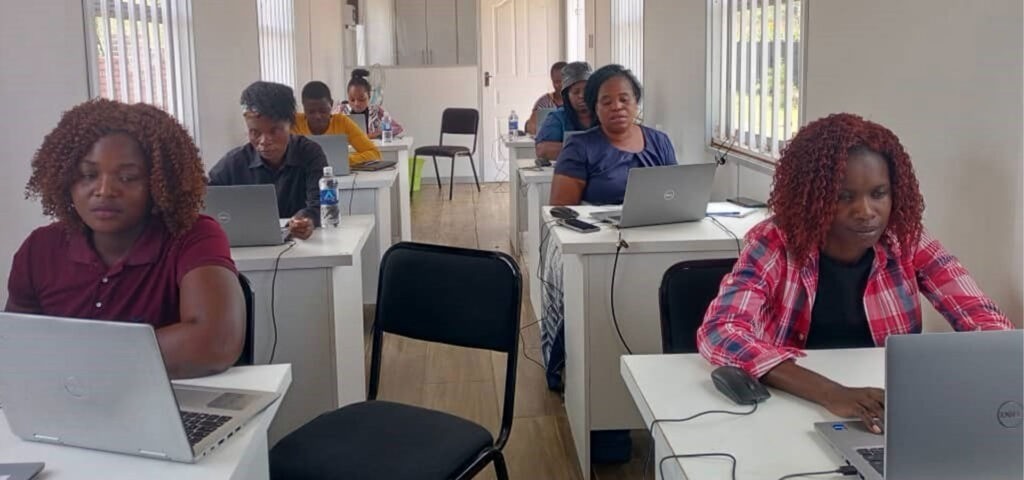
In Mashonaland Central, young women are increasingly using digital technologies to access information, share their stories, and strengthen their livelihoods, as a result of the Institute for Young Women’s Development (IYWD) initiative to facilitate access to and skills training on digital technologies. Through its goal of facilitating access to digital skills and technologies that amplify young women’s agency in decision making, economic and environmental fronts, IYWD has made significant strides in strengthening digital literacy and inclusion. To date, more than 500 young women and girls have been equipped with knowledge and skills on the use of digital technologies, including accessing and sharing information.
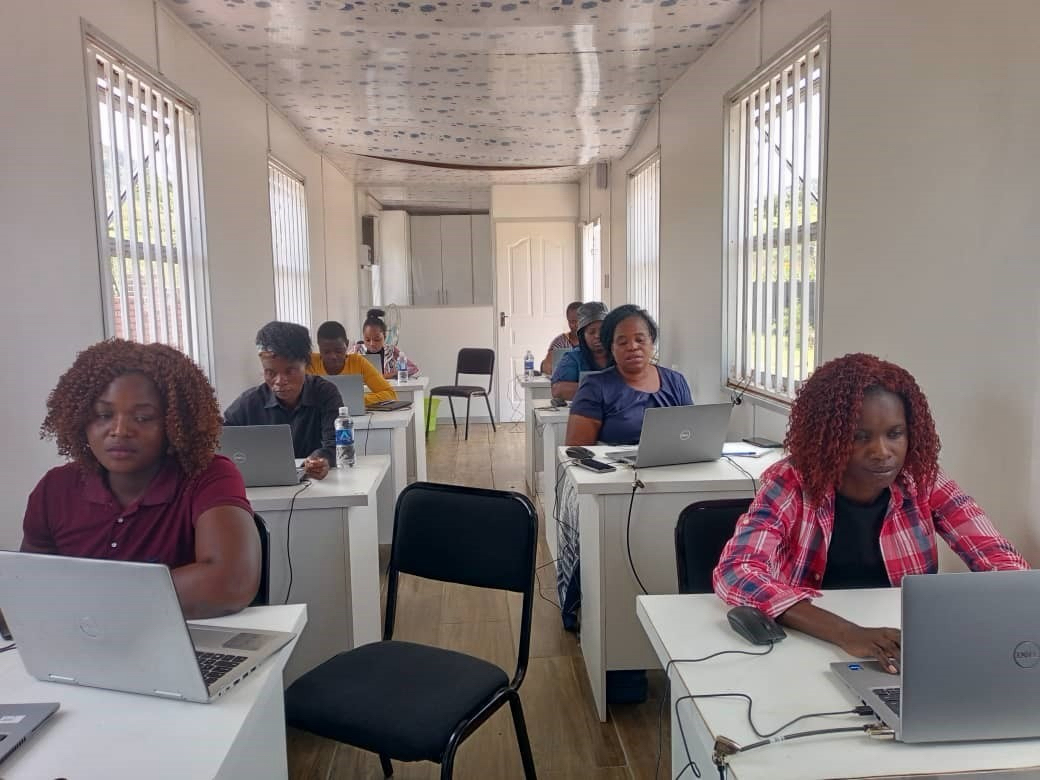
A key milestone in this work was the launch of the Zivo-Ulwazi Feminist Knowledge Hub in May 2023, an initiative supported by UN Women Zimbabwe under the Spotlight Initiative funded by the European Union. The hub was established to address the historical marginalisation of rural young women and women who have often been excluded from digital literacy opportunities due to the urban-rural digital divide and educational opportunities. Through the hub, young women have acquired basic skills on use of digital technologies such as mobile phones and laptops, searching and navigating the internet, accessing information on weather patterns and use of digital platforms for online marketing. Additionally they learnt how to share and support the production of feminist knowledge and analysis on issues affecting them.
Access and knowledge of use of digital platforms have had ripple impacts in transforming young women’s lives and also the way IYWD works with communities. For young women and women small holder farmers knowledge of accessing weather patterns using smart phones meant informed farming plans. This has resulted in increased use of adaptive agricultural practices that have contributed to ensuring food security at household level. The young women also use digital platforms for their business marketing and communication. One of the young women farmers, Liziwe Kondo from Guruve, regularly communicates with buyers of her farm produce on the phone.
‘I update my customers on the progress of my farm products using WhatsApp Status. That way, my customers know when to place their orders. It also helps me to reduce costs of delivering my produce when customers are not available’, she said.
Through digital skills training through the Zivo-Ulwazi Feminist Knowledge Hub, it has become a dynamic space for young women’s transformation through skills and knowledge sharing. Young women and women from communities including Guruve, Mazowe, Bindura, and Shamva have used the space to strengthen their knowledge, skills and understanding of how to use digital technologies. They have also used it to build skills to address issues related to Violence Against Women and Girls.
For Memory Chakaodza, a community volunteer (Dariro Facilitator) with IYWD who leads the referral pathway for survivors of gender based violence, access and use of digital technologies including smart phones has meant timely communication and support to survivors. Reflecting on the impact of digital tools on her work, Memory stated that,
“ With a smart phone, I am able to communicate and connect women in need of urgent support with services. It helps to capture and share relevant information. This has made my work easier and quicker to support more women facing violence.
This was even made better by using solar charging. My phone has power, and I have more lighting to do my work, ” she said.
Memory Chakaodza is an IYWD Dariro Facilitator from Bindura District in Mashonaland Central Province. She was trained by IYWD and Just Associates Southern Africa and became connected to digital platforms through an initiative supported by the UN Trust Fund that provided smartphones and durable solar chargers during the COVID-19 pandemic, a period that had further widened the digital gender divide.
Before learning about digital technologies and how they are useful in our daily lives, Memory had limited presence online. The initiative opened new opportunities for her to support survivors of violence and conduct robust, evidence based advocacy. The establishment of the IYWD hub has become instrumental in facilitating access to digital technologies by young women in marginalised communities. To date, the Feminist Knowledge Hubs have been used by 425 individuals, including 400 young women and women and 25 men, with an average of 20–25 users accessing the hubs each week. The Zivo-Ulwazi Feminist Knowledge Hub continues to serve as an important platform for bridging the digital divide for young women and women in marginalised communities of Mashonaland Central. By equipping young women with digital literacy skills and access to technology, IYWD is not only amplifying young women’s voices but also creating opportunities for knowledge production, advocacy, and economic empowerment. Through these hubs, young women are increasingly telling their stories in their own voices while building resilient communities that are informed, connected, and empowered.
Promoting digital inclusion among young women and women in marginalised communities contributes to the United Nations Sustainable Development Goals, particularly SDG 5 on gender equality and SDG 9 which encapsulates innovation, and infrastructure, which call for inclusive access to information and communication technologies. Through this approach, IYWD is not only strengthening digital literacy but also advancing meaningful digital inclusion, where young women are able to access technology, use it to expand economic opportunities and enhance climate resilience within their communities, share their stories, engage in advocacy, support survivors of violence.